How ECO is your Lunchbox? ECOlunchboxes.com Lunchbox Waste Study 2010 Results
January 2010
The results of a new study by ECOlunchboxes.com show that the financial and environmental savings of switching to reusable lunchware tally in the hundreds of dollars and thousands of units of trash.
“There are multiple bottom lines here,” says Sandra Harris, president of ECOlunchboxes.com, a new San Francisco Bay Area green business. “When we green our lunches, the environment is a big winner for sure. But our pocketbooks can also win with reusable lunchware.”
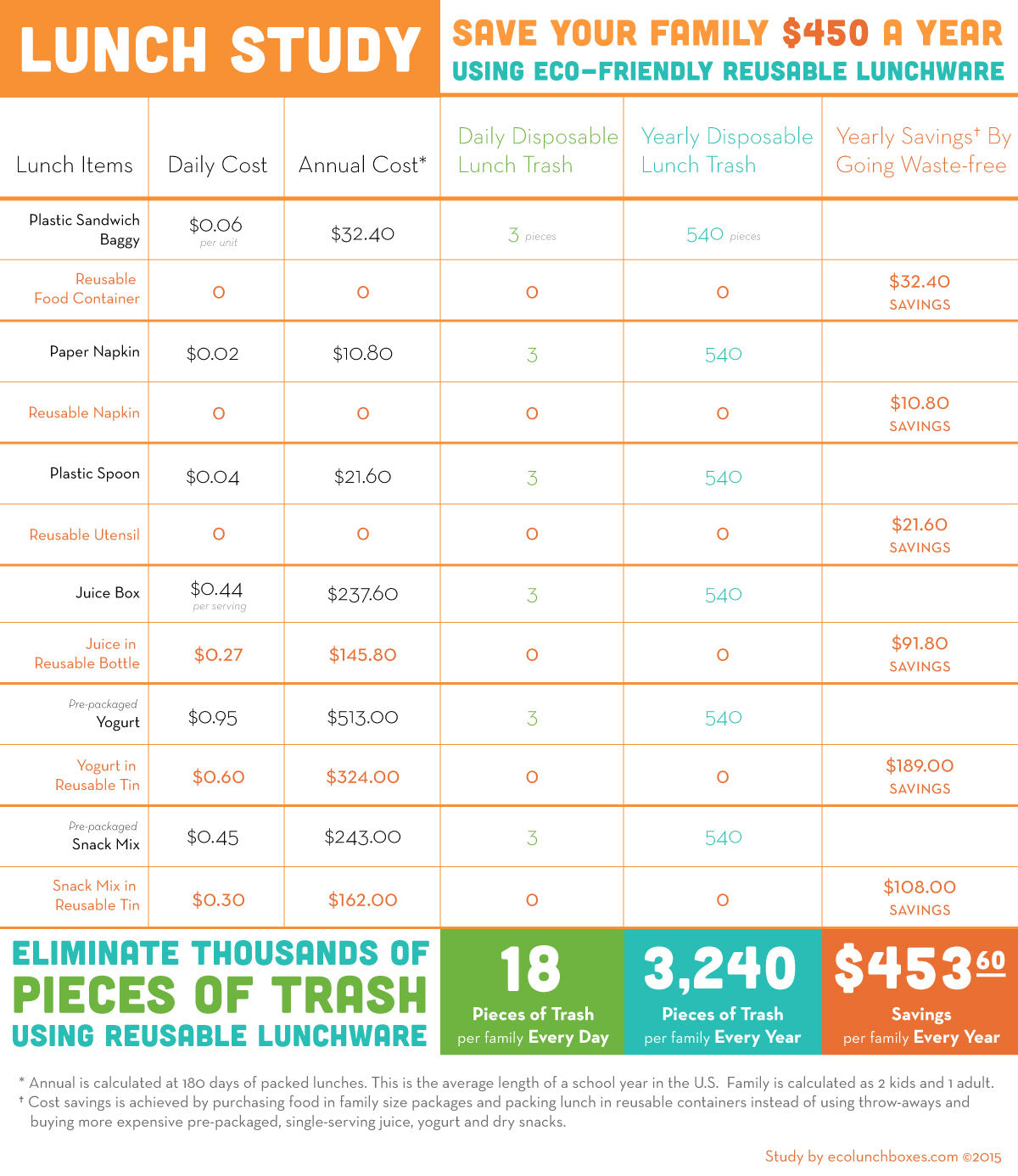
Results of the ECOlunchbox Lunchbox Waste Study 2009 show that an average family spends nearly $400 extra through the use of disposable lunchware and creates more than 4,000 trash units unnecessarily. (See below for specific calculations.)
Harris has designed the handmade “ECOlunchbag + 3 Matching Napkins” for children and adults. The colorful lunch bags are shaped like the kraft paper bags used for generations, but they’re machine washable, sewn from artisan block-printed cotton and can be carried as a backpack or hip bag.
“I was tired of using so much plastic and concerned about its potential health effects on my family,” explains Harris, a mother of two elementary-age children. “I decided to develop a lunch kit made from tried-and-true natural materials: cotton and steel.”
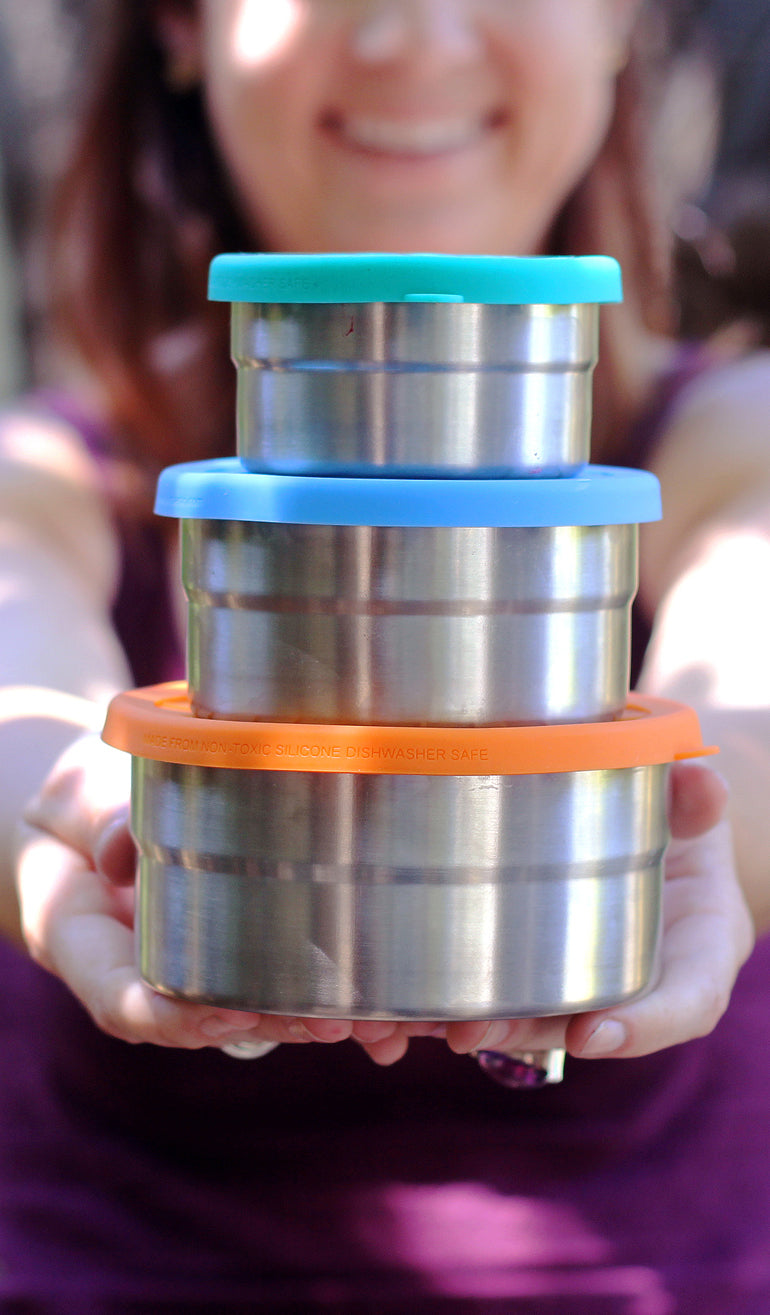
The lunch bags with napkins are for use with ECOlunchbox.com stainless steel food containers and bamboo sporks thereby eliminating the need for plastic baggies and other throw-aways.
“When people stop to think about what they’re spending on lunch throw-aways, it surprises them,” Harris says. “When you look at the financial and environmental costs, it becomes obvious that switching to a litterless lunch like our ECOlunchbox Kit makes a lot of sense.”
For families that rely on throw-aways, Harris says it can be motivating to figure out how much they are spending when considering whether to buy reusable lunchware instead for back-to-school this year.
ECOlunchboxes.com calculates that a typical family with two children and one parent packing lunches uses about 9 plastic baggies daily (sandwich and two sides per person) at a cost of roughly 6 cents per Ziploc baggie, adding up to 54 cents spent daily on plastic baggies. That adds up to about $11 monthly and $132 annually. Other “lunch math” to consider is the extra cost of paper napkins, disposable utensils and pre-packaged foods.
But plastic baggies are just the tip of the iceberg when it comes to the extra costs -- both financial and environmental -- associated with using throw-aways.

The results of a study by ECOlunchboxes show that an average family using throw-aways and pre-packaged foods for lunch spends hundreds of dollars more each year than a family that buys food in bulk and packs lunches in reusable lunchware, such as the reusable and non-leaching ECO lunch box stainless steel food containers.
This "lunch math" calculation by ECOlunchboxes assumes that the average family packing a traditional wasteful lunch would pack a lunch five times a week that includes a sandwich in a Ziploc baggie, one juice box, a yogurt cup with a plastic spoon, a snack pack of crackers and a paper napkin.
The ECOlunchboxes's study determined that one Vanity Fair brand napkin costs about 2 cents; one Safeway brand plastic spoon costs about 4 cents; 1 Minute Made 6.75-ounce apple juice box costs about 41 cents; 1 Yoplait 6-ounce yogurt cup costs about 70 cents; 1 Cheez-It snack pack costs about 37 cents; and, of course, each Ziploc baggie for a sandwich costs about 6 cents, which adds up to $1.60 per day for all the throw-aways and pre-packaged items. The "lunch math" carries out to $384 per person annually for these disposable items.
When this "lunch math" statistic is tripled to account for two children and one parent, the total costs of the throw-aways and pre-packaged foods amounts to $1,152 annually -- not to mention the pile of trash generated by this diet. This family's lunches amount to 6 units of trash per person daily. For the entire family, that amounts to 18 units of trash per day, 90 units per week, 360 units per month and finally amounting to an estimated 4,320 units of trash per year per family.
“It’s easy to see that families are spending hundreds of dollars on throw-away lunchware and food packaging annually and adding to our landfills tremendously in the process,” Harris says. "But it's so easy to switch to reusable lunchware. Why not do it?"
According to the ECOlunchbox no-waste-lunch study, this family could save hundreds of dollars annually by purchasing juice, yogurt, apple sauce, crackers, and other snack items in bulk and packing reusable food containers.
The study by www.ECOlunchbox.com shows that using a reusable, stainless steel ECO lunch box and matching yogurt cup to hold servings of yogurt, sandwiches, applesauce, or crackers bought in economy-size containers as well as packing ECOlunchbag cloth napkins, reusable bamboo utensils and reusable canteens would save nearly $400 annually for a family this size.
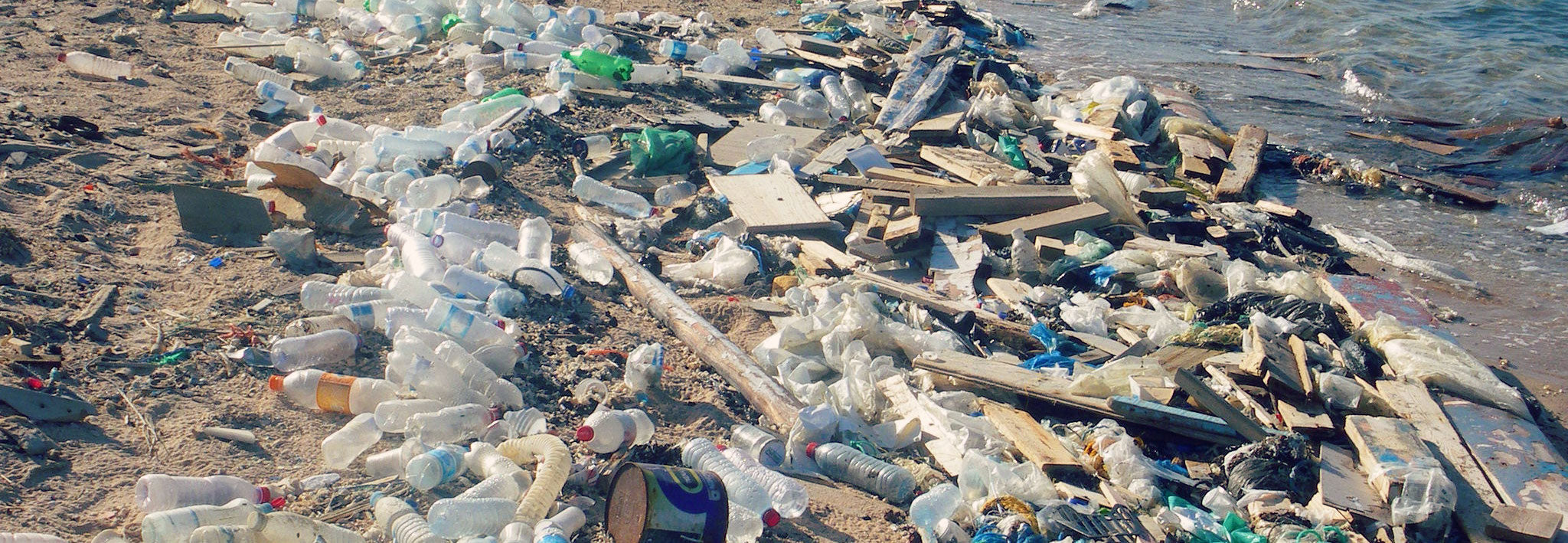
And how much trash would this family eliminate by changing its lunch habits? This one family could reduce its trash footprint by an estimated 4,320 units by making the switch to reusable lunchware.
Stainless steel ECOlunchboxes and cotton ECOlunchbags with matching cloth napkins are available at select Whole Foods, REI stores nationwide, www.onesmallstep.com, www.ECOlunchboxes.com and other retailers nationwide.
A graphic showing the breakdown of ECOlunchboxes.com's study is available for download.
For more waste-free lunch facts, go to http://www.ecolunchboxes.com/why_facts.html
|